

About us
About TAV Smart Tracking
A Canadian startup building next-generation printable smart labels for logistics and supply chains.
Who We Are
TAV Smart Tracking Inc. is a Canada-based technology startup developing printable smart labels with embedded sensors for shipment tracking and condition monitoring.
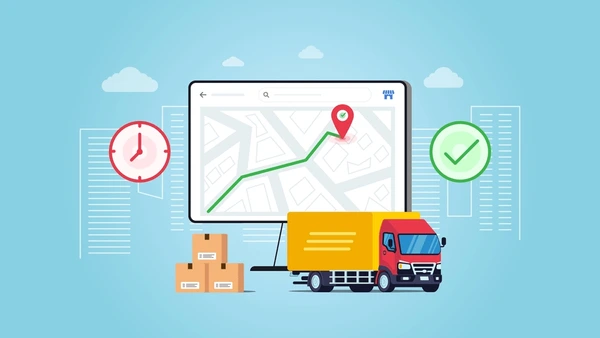
Our solution integrates NB-IoT / 5G connectivity, GPS, and environmental sensors into a lightweight, flexible label that can be attached directly to packaging without changing existing logistics workflows.
We focus on enabling real-time visibility, traceability, and data transparency across the entire supply chain — from manufacturers to end customers.
Our Mission
To make every shipment intelligent by embedding real-time sensing and connectivity directly into labels — reducing waste, improving trust, and enabling data-driven logistics decisions.
Why TAV Smart Tracking
Traditional tracking technologies such as barcodes, RFID, and rigid data loggers provide limited visibility and are difficult to deploy in small or constrained packaging. TAV Smart Tracking was created to solve this gap by introducing flexible, printable smart labels that:
- Fit into tight or curved packaging
- Operate without manual scanning
- Provide continuous condition and location data
Our Approach
Printable electronics for scalable manufacturing
Flexible form factor for diverse packaging types
Cellular connectivity for long-range tracking
Cloud analytics for actionable insights
OUR IMPACT ON THE INDUSTRY
Our technology contributes directly to improving supply chain efficiency and sustainability. By enabling better monitoring and reducing product losses, we help companies lower waste, improve operational accuracy, and support global environmental goals.

SDG 3 – Good Health and Well-Being
Real-time condition monitoring and predictive analytics modernize Canada’s logistics infrastructure, increasing resilience against disruptions (weather, delays, border issues). The fully printable, low-cost form factor accelerates adoption of IoT technologies in an industry traditionally slow to innovate, stimulating broader industrial upgrading.
SDG 8 – Decent Work and Economic Growth
Deployment creates high-skill jobs in sensor design, data analytics, printing technology, and logistics integration within Canada. Operational cost savings (typically 12–25 % on spoilage and claims) improve profitability of Canadian carriers and shippers, supporting sustainable economic growth in a $140 billion logistics sector.

SDG 9 – Industry, Innovation and Infrastructure
Real-time condition monitoring and predictive analytics modernize Canada’s logistics infrastructure, increasing resilience against disruptions (weather, delays, border issues). The fully printable, low-cost form factor accelerates adoption of IoT technologies in an industry traditionally slow to innovate, stimulating broader industrial upgrading.
SDG 12 – Responsible Consumption and Production
By preventing spoilage of temperature-sensitive goods (food, pharmaceuticals, biologics), smart labels can reduce Canada’s annual food waste by millions of kilograms and cut pharmaceutical losses currently estimated at >$1 billion CAD/year across North America. Optimized routing and inventory accuracy further minimize over-production and excess stock.


SDG 13 – Climate Action
Data-driven route and load optimization, combined with reduced spoilage-related disposal, lowers transportation emissions and refrigerated energy use. Early pilots of similar sensor technologies have demonstrated 8–15 % reduction in fuel consumption and associated GHG emissions per shipment.